Understanding the psychological triggers in casino games and their impact on player behavior
The Nature of Casino Games and Player Psychology
Casino games are intricately designed not just for entertainment but also to evoke specific psychological responses from players. Understanding the interplay between these games and player psychology can illuminate why individuals are drawn to gambling environments. The thrill of potential rewards combined with the illusion of control over outcomes creates a compelling experience that keeps players engaged. For instance, many prefer online casino sites because they offer a convenient way to enjoy these dynamics from home.
Players often experience heightened emotions in the context of gambling, influenced by anticipation and the adrenaline rush associated with risk-taking. These emotional responses can lead to repeated play, as individuals seek the exhilaration that comes with wins and the hope that future plays might result in favorable outcomes.
The Role of Randomness and Reward Mechanisms
Casino games utilize randomness to create uncertainty, which can amplify the excitement of each play. The unpredictability of outcomes taps into the psychological principle of variable reward systems, which suggests that inconsistent rewards can be more motivating than predictable ones. Players may find themselves enticed by the possibility of hitting a jackpot, even if the odds are significantly against them.
This randomness combined with reward mechanisms such as bonus rounds or free spins triggers the brain’s pleasure centers, releasing dopamine. This chemical response reinforces the behavior of playing, leading to a cycle where players continuously seek the next rush, often overlooking the long-term odds.
The Impact of Visual and Auditory Stimuli
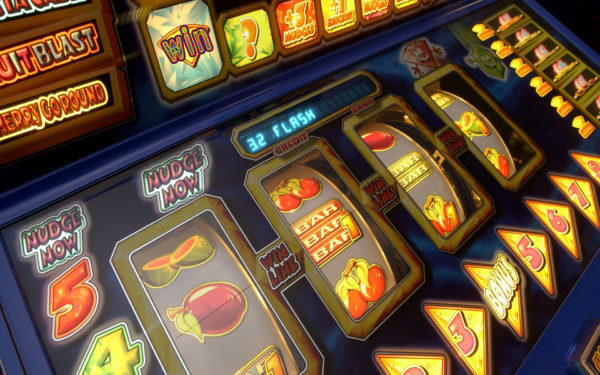
Visual and auditory elements in casino games are meticulously crafted to enhance player engagement. Bright lights, vibrant colors, and enticing sound effects serve to stimulate the senses and create a captivating environment. These stimuli can mask the realities of loss, making it easier for players to continue gambling despite the financial risks involved.
The immersive nature of these sensory experiences can create a feeling of escapism for players, drawing them deeper into the gaming world. This sensory overload often leads to a diminished perception of time and money spent, increasing the likelihood of prolonged play sessions and impulsive decisions.
The Social Aspects of Gambling
Gambling is not just an individual activity; it often involves social interactions that can amplify the overall experience. Whether in a physical casino or an online platform, the presence of other players can influence behaviors significantly. Social proof, the phenomenon where individuals look to others to determine their own actions, plays a crucial role in encouraging continued play.
Players may feel a sense of community and shared excitement when gambling with others, enhancing their enjoyment and increasing their likelihood to participate. Additionally, the social aspect can lead to a normalization of risky behaviors, where losses are downplayed in the context of the group dynamic, further impacting individual decision-making.
Stay Informed with Our Insights on Gambling Trends
Our website is dedicated to providing the latest insights and analyses on the gambling industry, aimed at fostering an informed community. We offer current updates on trends, regulations, and expert opinions to keep you in the loop regarding the evolving landscape of casino gaming.
By engaging with our content, you can deepen your understanding of how psychological triggers affect player behavior and make more informed choices in your own gaming experiences. Join us to stay ahead in this dynamic industry and explore the nuances of gambling psychology and its implications.